
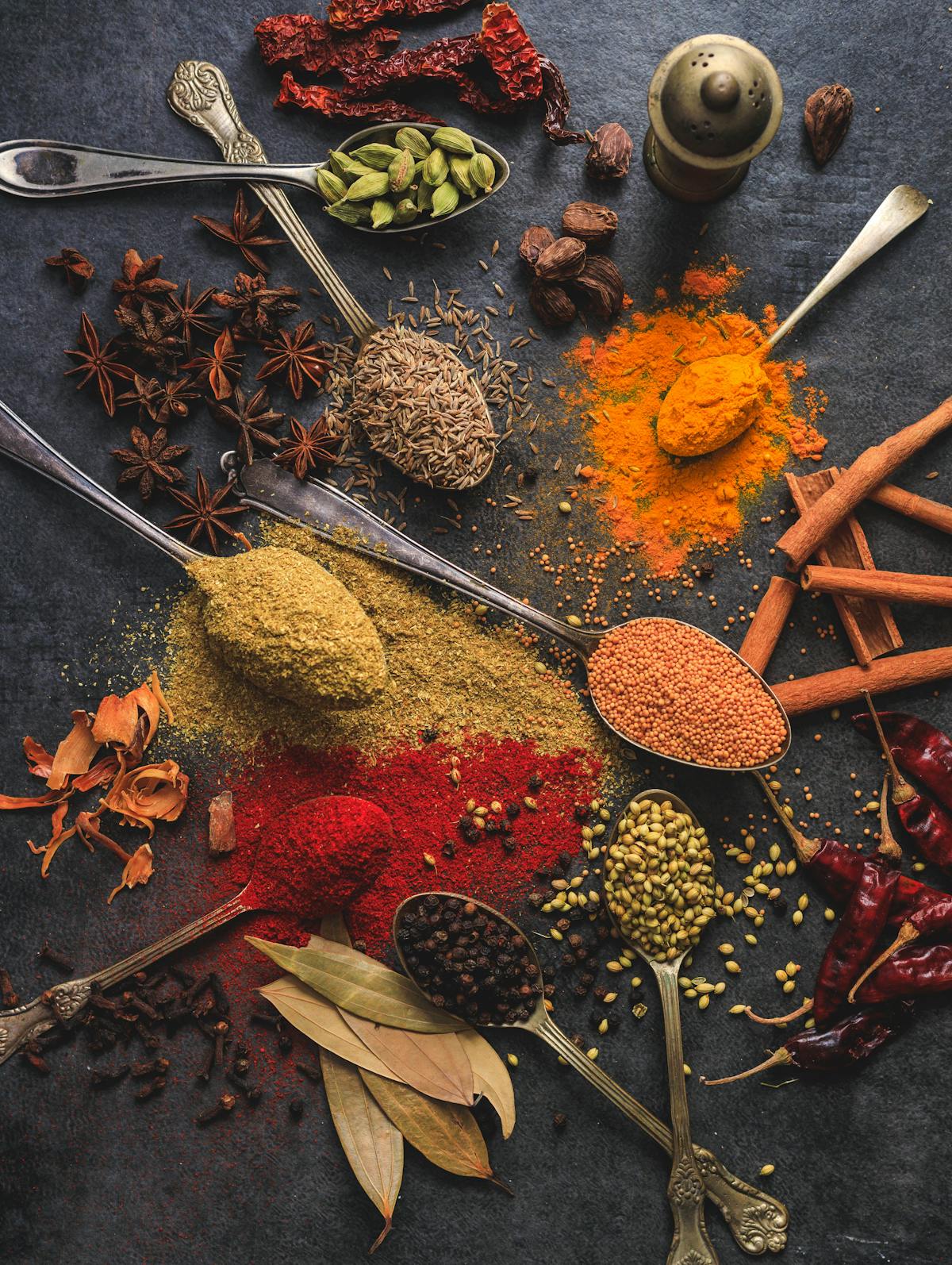
Indian Spices That Double as Medicine: What Science Says
Your Kitchen Is a Pharmacy
Every Indian grandmother who said "haldi doodh pi lo" (drink turmeric milk) was practising evidence-based medicine decades before clinical trials confirmed what she knew. India's spice tradition isn't just about flavour — it's a sophisticated system of food-as-medicine that is now gaining global scientific validation.
Turmeric (Haldi)
Curcumin, the active compound in turmeric, has over 12,000 peer-reviewed studies documenting its anti-inflammatory, antioxidant, and potential anticancer properties. But here's what most people get wrong: curcumin alone is poorly absorbed. You need black pepper (piperine) to increase absorption by 2,000%. That's why traditional recipes always pair turmeric with black pepper — our ancestors figured this out through centuries of observation, and modern pharmacology confirmed it.
Daily dosage: 1/2 teaspoon in cooking, or golden milk at night. The key is consistency — turmeric's benefits are cumulative, not instant. For best results, cook it in ghee or oil, as curcumin is fat-soluble.
Cumin (Jeera)
Cumin stimulates digestive enzymes, reduces bloating, and may help improve cholesterol levels. A 2015 study published in Complementary Therapies in Clinical Practice found that women who consumed 3g of cumin powder daily showed significant improvements in body composition markers compared to the control group. Jeera water — roasted cumin seeds boiled in water — is a time-tested digestive remedy that costs virtually nothing to prepare and has zero side effects.
Fenugreek (Methi)
Fenugreek seeds are powerhouses for blood sugar regulation. Multiple studies show that methi seeds reduce fasting blood glucose and improve insulin sensitivity. The soluble fibre in fenugreek slows carbohydrate absorption, preventing blood sugar spikes after meals. Soak a teaspoon overnight, chew the seeds in the morning. Diabetics across India have used this remedy for generations. Fresh methi leaves are also nutrient-dense — rich in iron, calcium, and vitamins A and C.
Cinnamon (Dalchini)
True Ceylon cinnamon (not the cheaper cassia variety) helps regulate blood sugar, reduce LDL cholesterol, and has potent antimicrobial properties. A 2013 review in the Annals of Family Medicine found that cinnamon significantly lowered fasting blood glucose. Add a small stick to your morning chai instead of sugar — you get sweetness with health benefits instead of empty calories. Indian markets mostly sell cassia cinnamon; for true Ceylon, look for the thinner, multi-layered bark.
Asafoetida (Hing)
This pungent spice is the secret weapon against gas and bloating. It relaxes smooth muscle in the intestines, relieving cramps and flatulence. That's why every dal tadka starts with a pinch of hing in hot ghee — it's not just flavour, it's digestive insurance. Hing is especially important in Jain and certain Brahmin cuisines where onion and garlic are avoided, as it provides a similar umami depth.
Ajwain (Carom Seeds)
Perhaps the most underrated spice in the masala dabba. Ajwain contains thymol, a compound with strong antibacterial and anti-fungal properties. A pinch of ajwain with warm water relieves stomach aches within minutes. It's also traditionally used in postpartum care — ajwain ka paani is given to new mothers across North India to aid digestion and reduce bloating.
How to Use Them Effectively
- Always use whole spices when possible — pre-ground spices lose potency within weeks as volatile oils evaporate
- Toast spices in ghee or oil — fat-soluble compounds need fat for absorption. The tadka technique is nutritional genius
- Combine strategically — turmeric + pepper, cumin + coriander, hing + ghee. These traditional pairings maximise bioavailability
- Buy fresh and store well — whole spices last 2-3 years in airtight containers, ground spices lose flavour in 6 months. Buy in small quantities from shops with high turnover
The masala dabba isn't just flavour — it's 5,000 years of accumulated health wisdom, sitting right there on your kitchen counter. Use it wisely, and your food becomes your medicine.