
Organic Farming in India: Why Your Food Choices Matter
The Organic Revolution Is Indian
India has the largest number of organic farmers in the world — over 3.5 million, according to FIBL data. Sikkim became the world's first fully organic state in 2016, banning synthetic pesticides and fertilisers entirely. Yet organic food accounts for less than 1% of India's total food market. That gap is both a challenge and an enormous opportunity for conscious consumers.
Why Organic Matters in India
India uses over 60,000 tonnes of pesticides annually. Residues end up in our food, water, and soil. Studies by FSSAI have found pesticide residues exceeding safe limits in commonly consumed fruits, vegetables, and even milk. The Punjab cancer belt — a stretch along the Malwa region where cancer rates are disproportionately high — has been linked to decades of intensive pesticide use in agriculture. Organic farming eliminates synthetic pesticides, uses natural composting, and promotes biodiversity.
The Price Question
Yes, organic food costs 20-40% more. But consider this: organic farmers don't receive the same subsidies as conventional farmers. The "cheaper" conventional produce is artificially cheap because we pay the hidden cost through healthcare (treating pesticide-related diseases), environmental damage (soil degradation, water pollution), and loss of biodiversity (pollinator decline). When you factor in these externalities, organic food is often the more economical long-term choice.
The real cost of cheap food is paid by our health and our environment — just not at the checkout counter.
India's Organic Success Stories
Beyond Sikkim, organic farming is thriving in pockets across India. Uttarakhand's mountain farmers grow organic apples, rajma, and mandua (finger millet) that command premium prices in Delhi markets. Kerala's spice gardens are increasingly organic, as farmers discover that traditional spice cultivation never needed chemicals in the first place. Zero Budget Natural Farming (ZBNF) in Andhra Pradesh has enrolled over 6 lakh farmers who use cow-dung-based solutions instead of chemical fertilisers.
Where to Start
- Prioritise the "dirty dozen" — Start with items that absorb the most pesticides: leafy greens (spinach, methi), tomatoes, apples, grapes, bell peppers, and strawberries
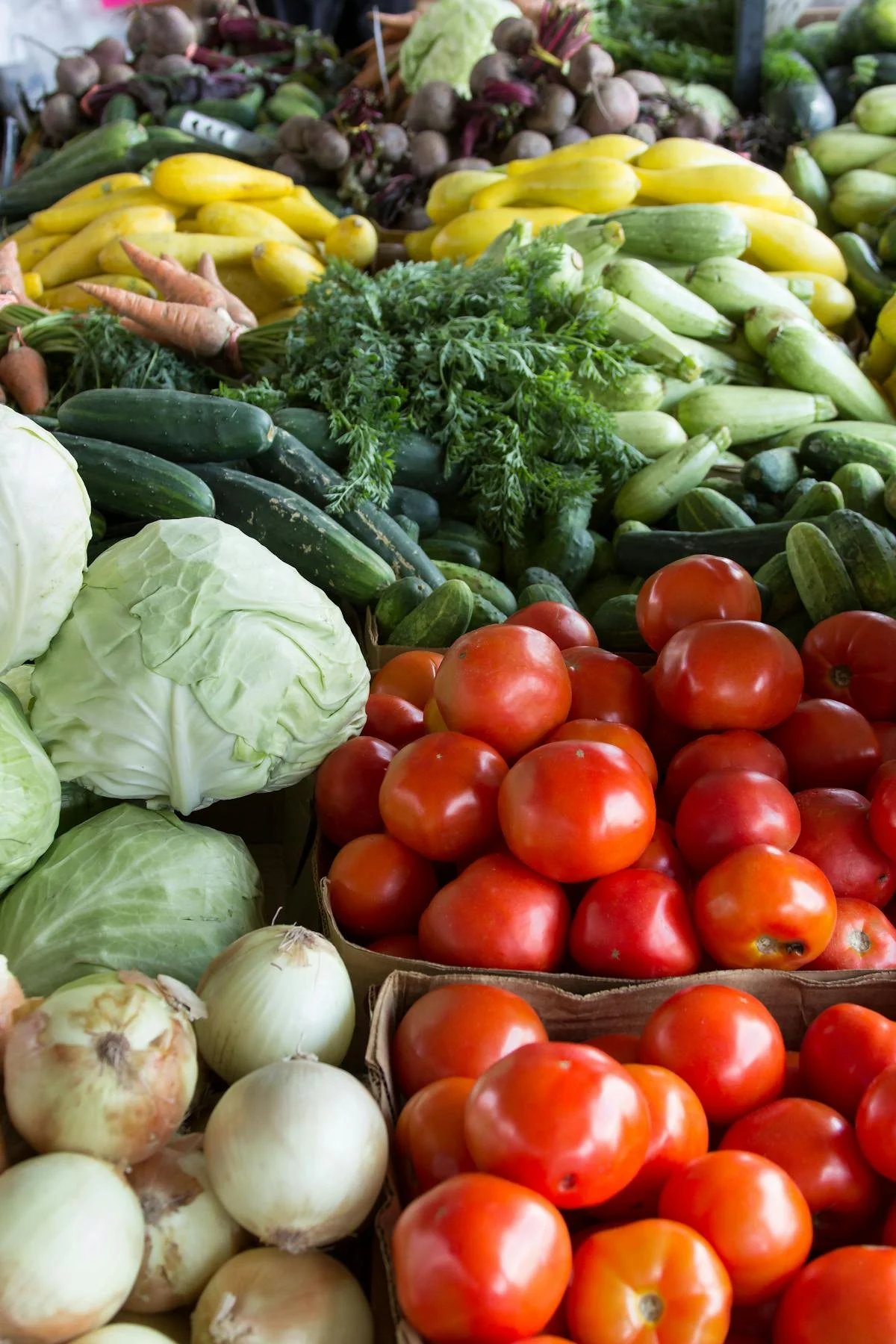
- Buy from farmers' markets — Direct from farmer to consumer means fresher produce and fair prices for growers. Most metros now have weekly organic farmers' markets
- Look for certifications — FSSAI Organic, India Organic (NPOP), or PGS-India logos are reliable indicators. Be wary of uncertified "organic" claims
- Try millets — Jowar, bajra, ragi are naturally grown with minimal pesticides and are more nutritious than refined wheat or rice. The 2023 International Year of Millets boosted awareness and availability
- Grow your own — Even a small balcony can yield methi, coriander, mint, and green chillies. Terrace kitchen gardens in Indian cities are booming, producing pesticide-free herbs and greens year-round
Supporting the Ecosystem
When you buy organic, you're not just choosing healthier food. You're supporting farmers who protect soil health, preserve water quality, and maintain biodiversity. You're voting for a food system that can sustain future generations. Indian soil is already degraded in many regions — organic farming is one of the few proven methods to reverse this decline.
Every meal is a choice. Make it count — for your family's health, for the farmer who grew your food, and for the soil that will feed your grandchildren.